
Serengeti Wildebeest Migration Safari
SERENGETI WILDEBEEST MIGRATION SAFARI
- 11 Days / 10 nights (8 days on the mountain)
- Kilimanjaro
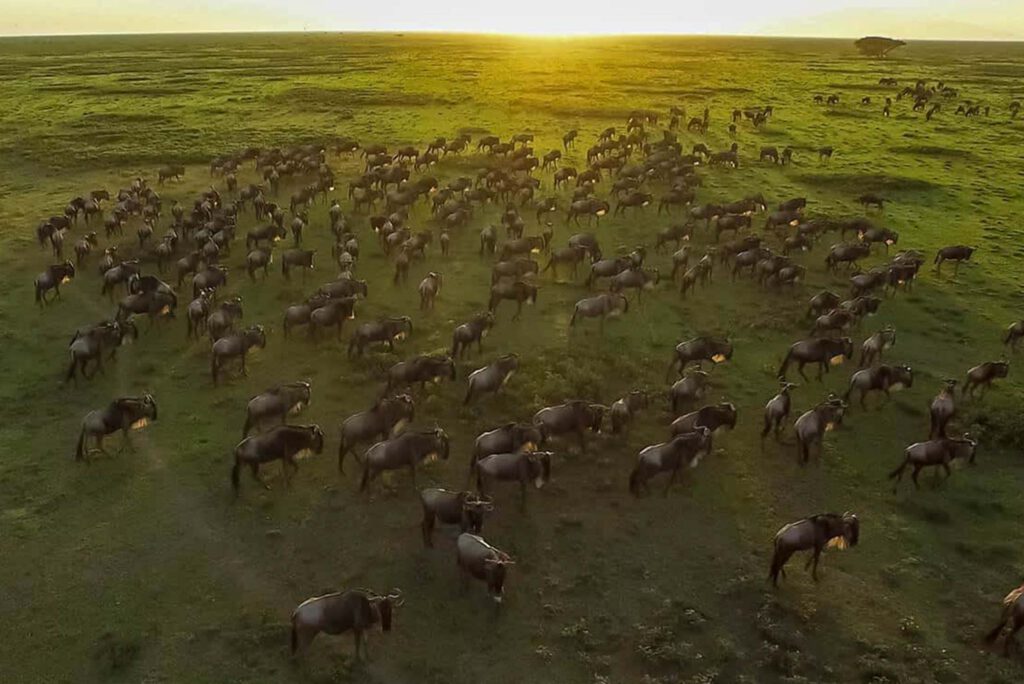
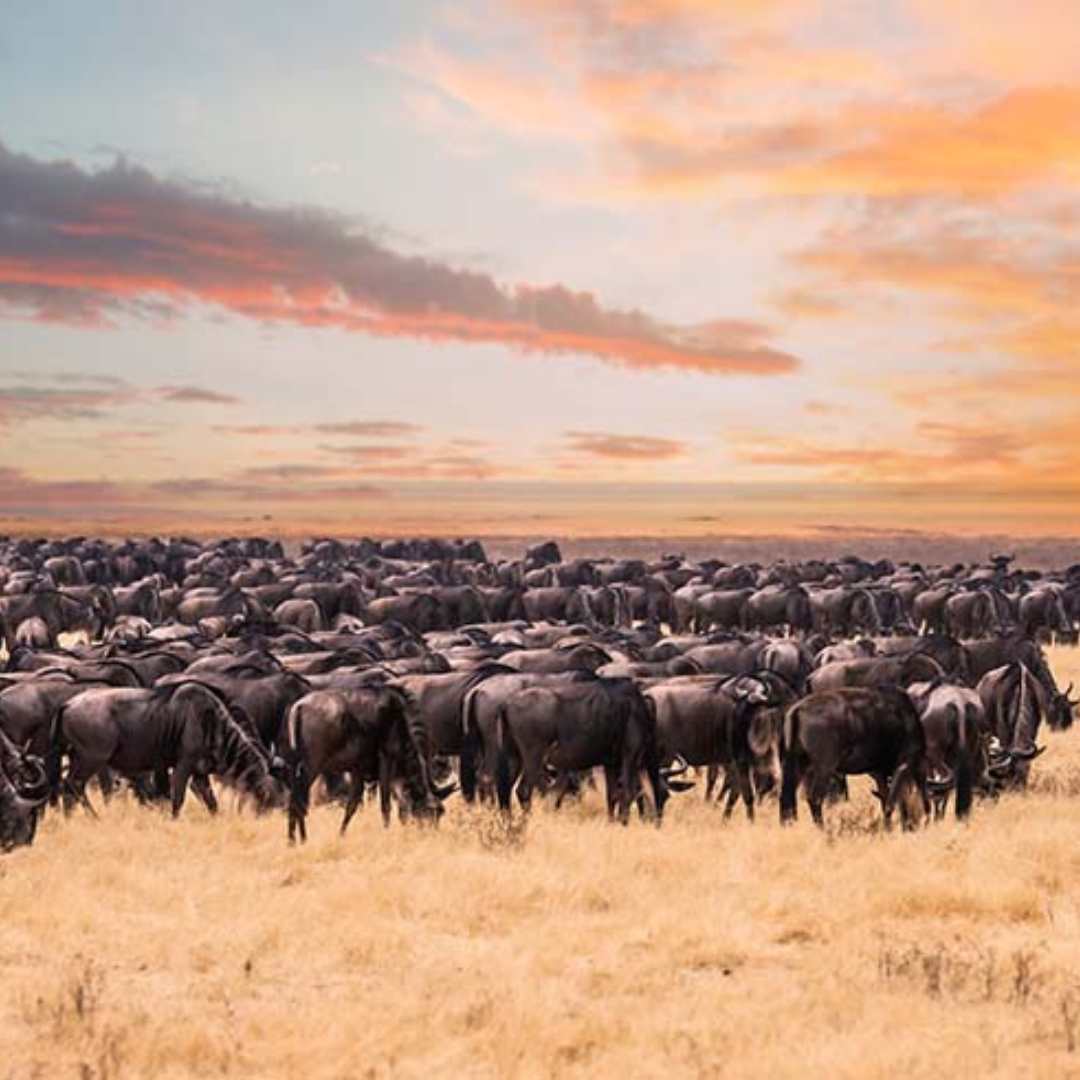
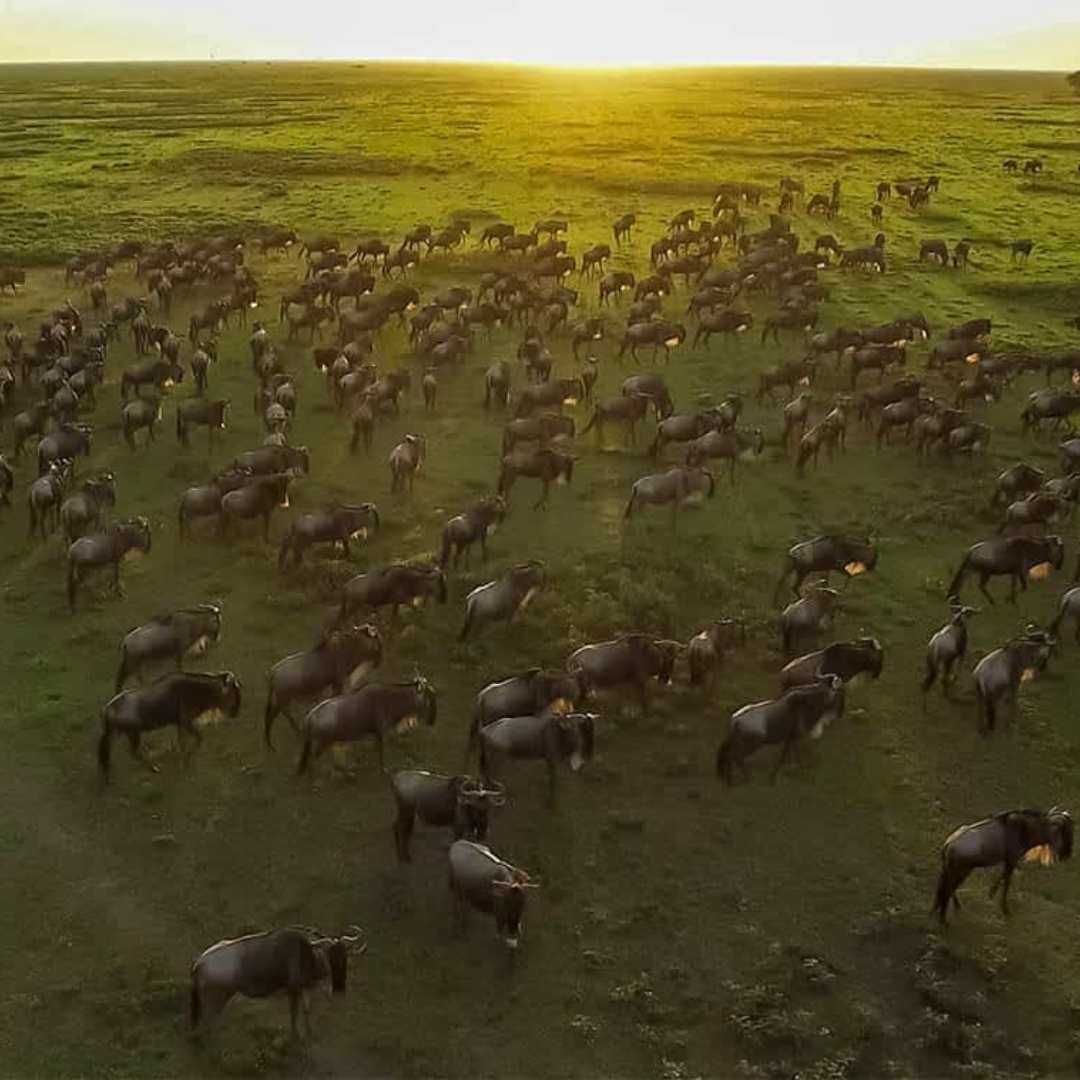
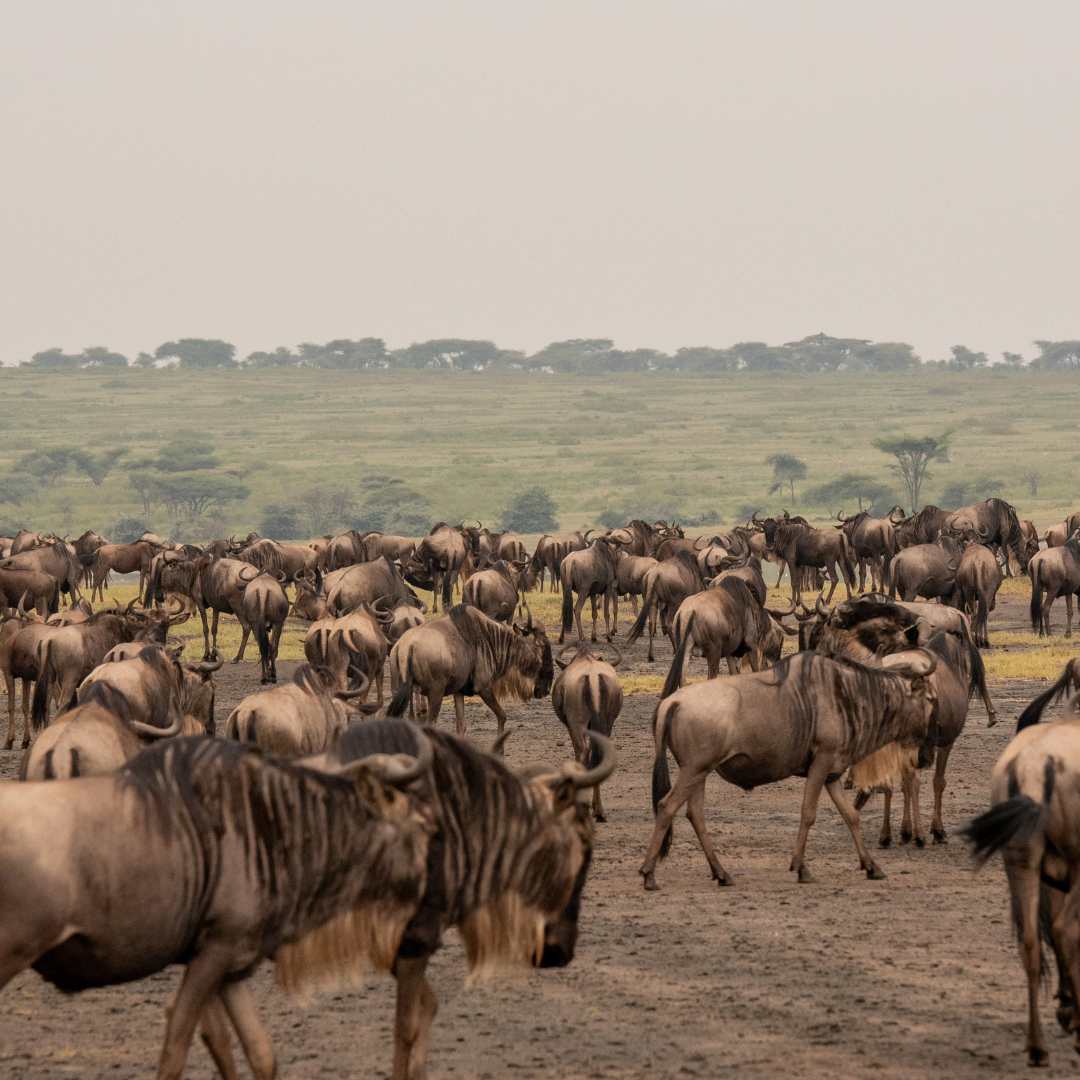
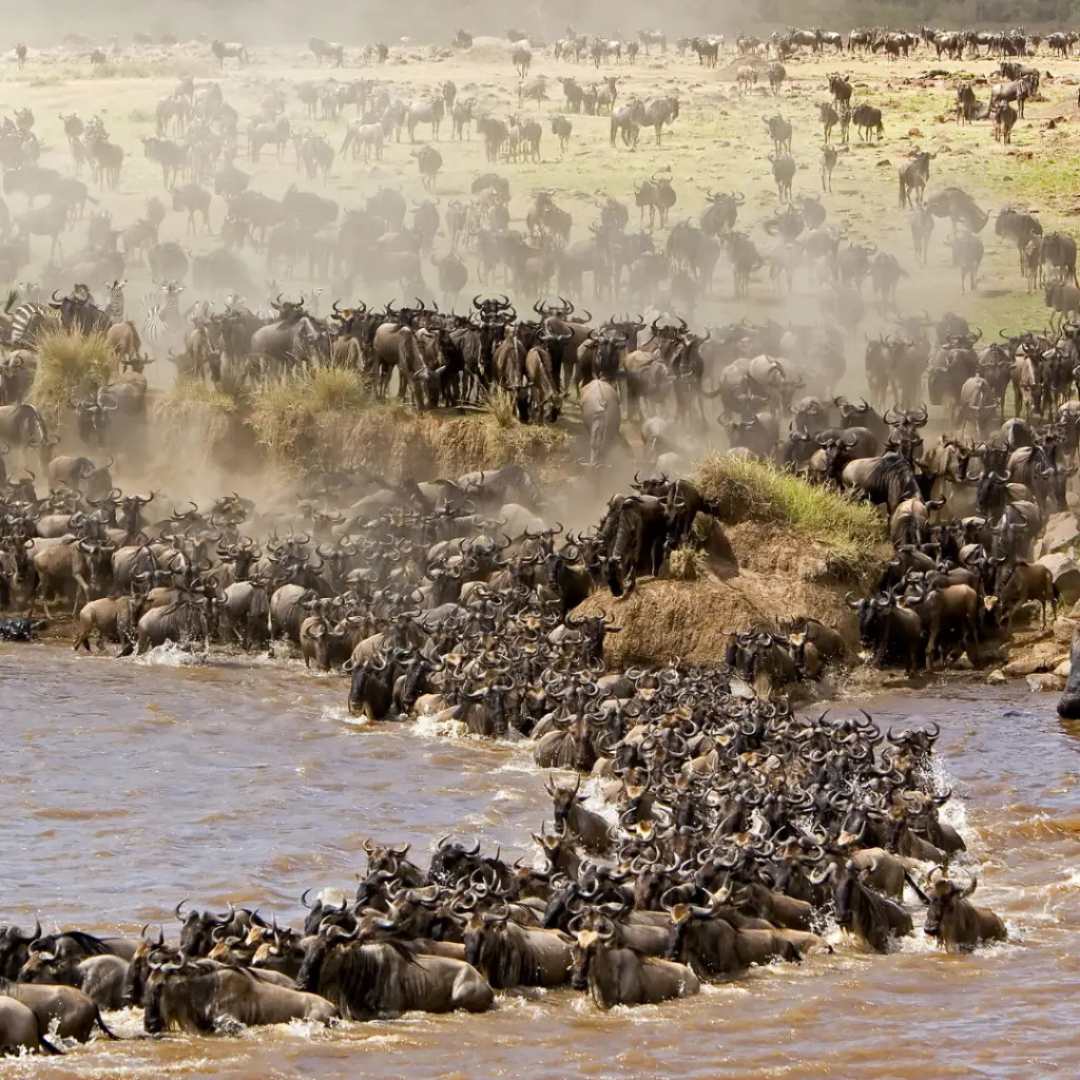
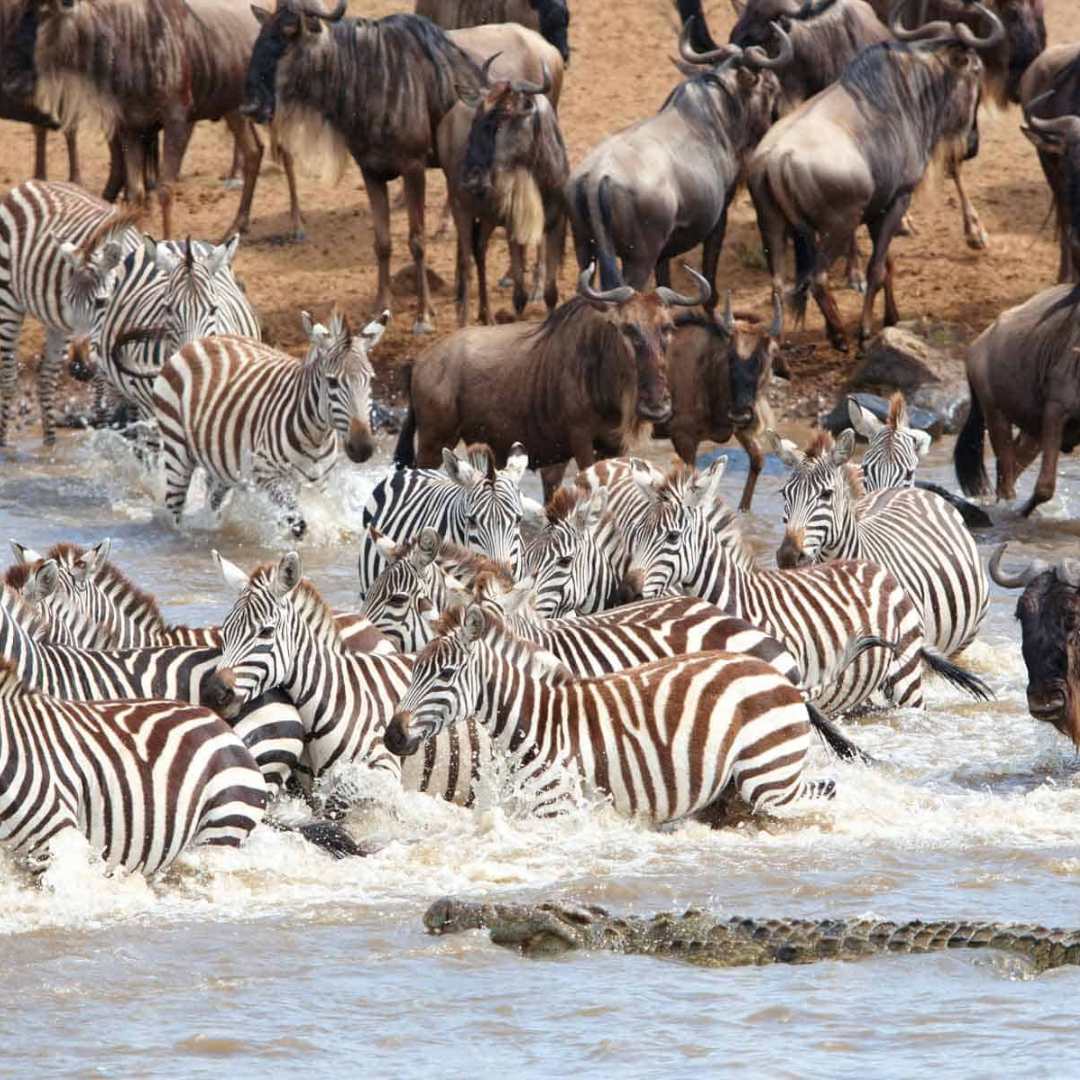
Experience the awe-inspiring Great Migration with Rocky Africa & Eco Experience, where millions of wildebeest, zebras, and gazelles journey across the Serengeti in search of fresh grazing. From November to March, witness the dramatic calving season in Ndutu, followed by thrilling river crossings at Grumeti and Mara Rivers between June and August. Rocky Africa’s mobile Serengeti Safari Camp moves with the herds, offering eco-friendly comfort and proximity to the action. With tailored itineraries ranging from 6 to 9 days, this safari provides an unforgettable chance to witness nature’s most spectacular wildlife event in comfort and style.
The Great Migration
Each year, millions of wildebeest, zebras, and gazelles embark on a remarkable journey across the Serengeti plains in search of fresh grazing and water. This annual migration is one of nature’s most extraordinary spectacles, with the herds constantly on the move between the southern and northern plains of the Serengeti.
GALLERY / PHOTOS
Start from ?
Migration Cycle Overview
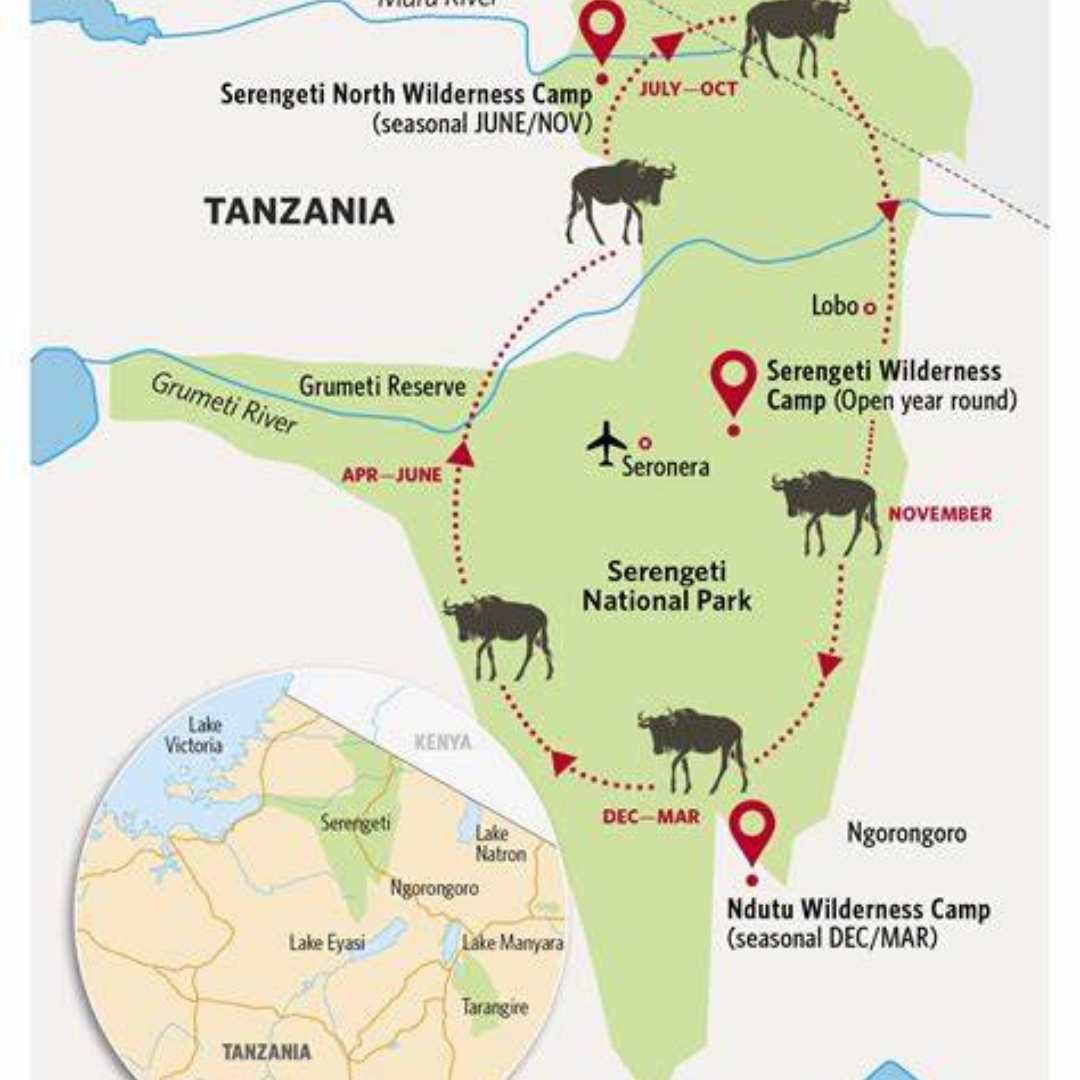
- November – December: The migration begins its journey from the Maasai Mara in the northern Serengeti region to the southern Serengeti along its eastern border formed by the Great Rift Valley escarpment to begin its calving season. Shortly after this (late November & December), the animals arrive on the short-grass plains of the Serengeti, particularly around Ndutu.
- January – March: The animals stay in the same area, with most wildebeest calves born in February. Every day for about three weeks, an estimated 8,000 foals are born.
- April – May: The animals start their great migration north in search of fresh grazing and water.
- June: The animals congregate on the south side of the Grumeti River, in the Western Corridor. The river here is normally a series of pools and channels, rather than a continuous river. The animals provide an annual feast for the Grumeti River’s large crocodiles, but these river crossings are not quite as spectacular as the crossings of the Mara River in the north.
- July – September: The migration continues moving northwards, often spreading out across a wide area. Some head through Grumeti Reserve and Ikorongo, others north through the heart of the Serengeti National Park.
- October: The herds are migrating again: all are heading south, through western Loliondo and the Serengeti National Park’s Lobo area, returning to the green shoots which follow the rains on the short-grass plains of the southern Serengeti.
Accommodation Options
Rocky Africa & Eco experience offers a range of accommodations to suit different preferences and budgets:
- Serengeti Safari Camp: A mobile tented camp that moves in sync with the migration, ensuring guests are always close to the action. The camp features six open-plan Meru tents with en-suite bathrooms, a family unit, and environmentally conscious facilities. Guests can enjoy both indoor and outdoor dining, a well-stocked library tent, a bar tent, and an outdoor fireplace with seating area.
Sample Itineraries
- 6-Day Ndutu Calving Season Safari: From January to April, focusing on the calving season in the southern Serengeti.
- 7-Day Western Corridor Safari: Visiting Tarangire, Serengeti Central, and the Serengeti Western Corridor.
- 8-Day Ndutu Calving Season Safari: An extended version of the 6-day safari for a more in-depth experience.
- 9-Day Serengeti Migration Footsteps Safari: Including Lake Manyara, Tarangire, Ngorongoro, and 4 nights in Serengeti to follow the migration.
Planning Your Safari
To maximize your chances of witnessing the migration, it’s essential to plan your safari according to the migration cycle. For instance:
- January – March: Best for witnessing the calving season in Ndutu.
- June: Ideal for seeing the migration cross the Grumeti River in the Western Corridor.
- July – August: Optimal for witnessing the dramatic Mara River crossings in the northern Serengeti.